HVAC Terminology: Evaporator Coils
Subscribe
for updates, news, and more

At Commercial Service, we believe residential and commercial HVAC terminology should be easy to understand. That’s why we’ve taken the time to expand on the evaporator coil. Let’s dive in!
Have a heating, cooling, or plumbing problem, but no time to wait for a repairman? Need a second opinion on an existing quote?
We’ll give you free advice about your question or problem. In many cases, you’ll get an estimate or the help you need during the video call.
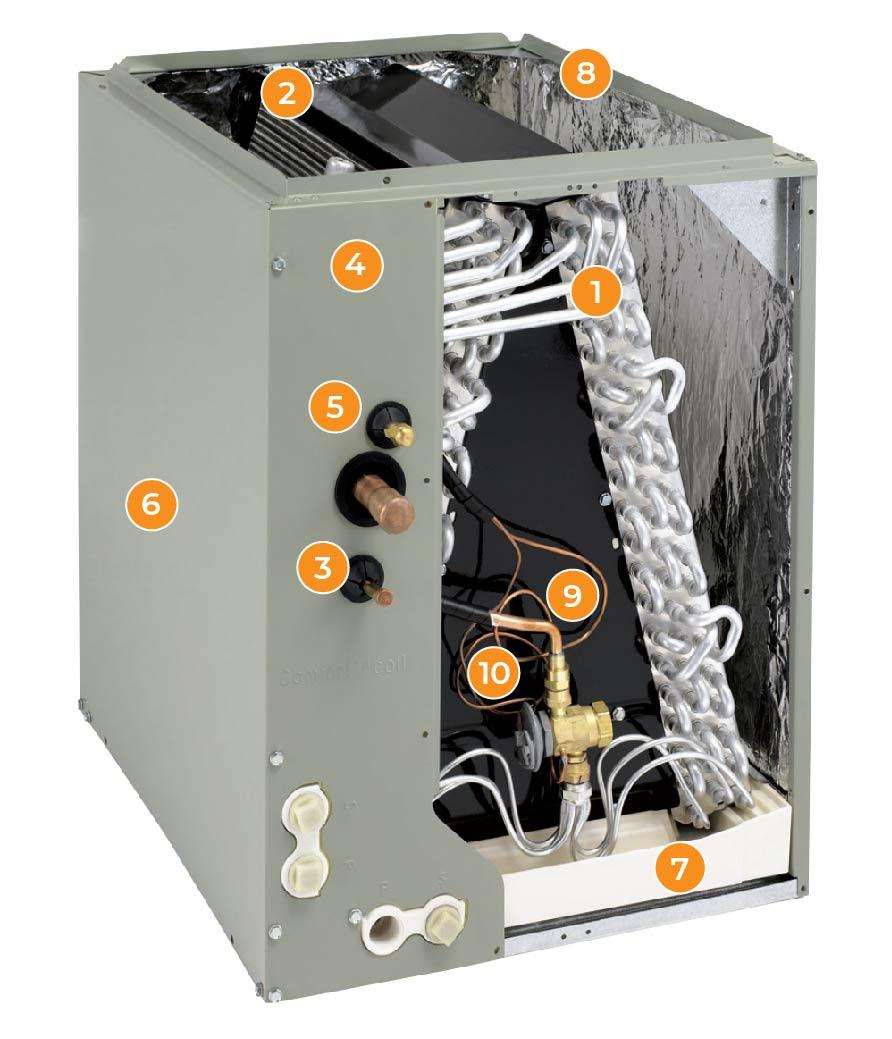
The coil, also known as an evaporator coil or an indoor coil, works with the indoor unit, functioning with the air conditioner or heat pump to cool indoor air that flows over it by drawing out heat and moisture. Its job, heat transfer, is one of the most important factors in achieving heating and cooling efficiencies that keep your home comfortable all year long.
Commercial Service offers 24/7 emergency services and is always happy to send over a certified technician to assess any potential problems. For non-emergency repairs, schedule an appointment with our easy Online Scheduling or by calling 812-339-9114.
An evaporator coil is located indoors and is either installed with your furnace or as part of your air handler. Inside the coil, the refrigerant evaporates as it absorbs heat from the indoor air that passes over it. The coil essentially serves as a “heat exchanger,” working with your heating system in the winter and your cooling system in the summer. Central air conditioning, forced air furnaces, and heat pumps all use air handlers in which a single air handler is usually responsible for both heating and cooling. When operating as an air conditioner, the circulation of air through the cold coils in the unit by the air handler lowers the temperature and reduces the humidity inside the building.
Our Trane evaporator coils are specifically designed to work in union with your Trane outdoor condensing unit and furnace.
When an evaporator coil in an HVAC system is about to fail, you will notice cracking and leakage. Causes of these include:
Corrosion occurs because of harmful elements in the air, like salt and dirt, get trapped and accumulate on evaporator coils due to neglect and lack of cleanliness. When this debris builds up on the evaporator coil, it prevents the heat transfer and becomes 20-40% less effective.
Frozen evaporator coils are the result of numerous problems, either individually or combined. Some of the most common issues are:
for updates, news, and more
It is easy to overlook how important the placement of your HVAC unit is to the system’s performance. When your HVAC evaporator coils are installed near a moving piece of equipment, vibration can occur and cause leaks. The area where these leaks occur is very important and will provide clues to determine whether or not the problem is vibration.
Some experts claim that one of the top reasons for evaporator coil failures simply comes down to a poor design. Many people make the decision to replace their evaporator coils, but they do not realize that if their evaporator coils were built or designed incorrectly for their units from the beginning, it simply duplicates the problem. Poor design is more common in newer evaporator coils where quality control can waver in consistency. Older evaporator coils are typically manufactured better, but they have a propensity to corrode.
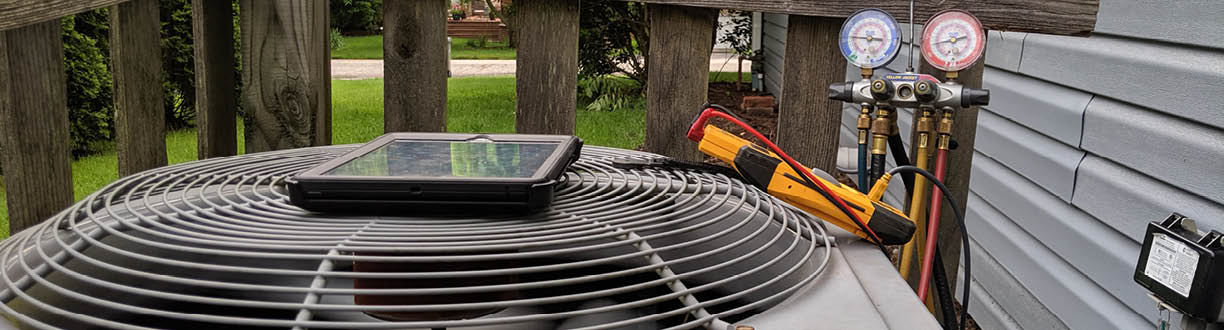
The truth is that coil breakdown is inevitable. Eventually, every evaporator coil will need replacement. Annual inspections to keep them clean and identify any leaks can extend the life of the coils. While there are some tools you can use to examine the coils yourself, the trained technicians at Commercial Service have access to better detection devices and can also provide a thorough cleaning. As stated, a clean coil will yield higher performance and cleaner air in your home.
To have your evaporator coils examined, repaired, or replaced, schedule an appointment with our easy Online Scheduling or by calling 812-339-9114.
Article Sources
test